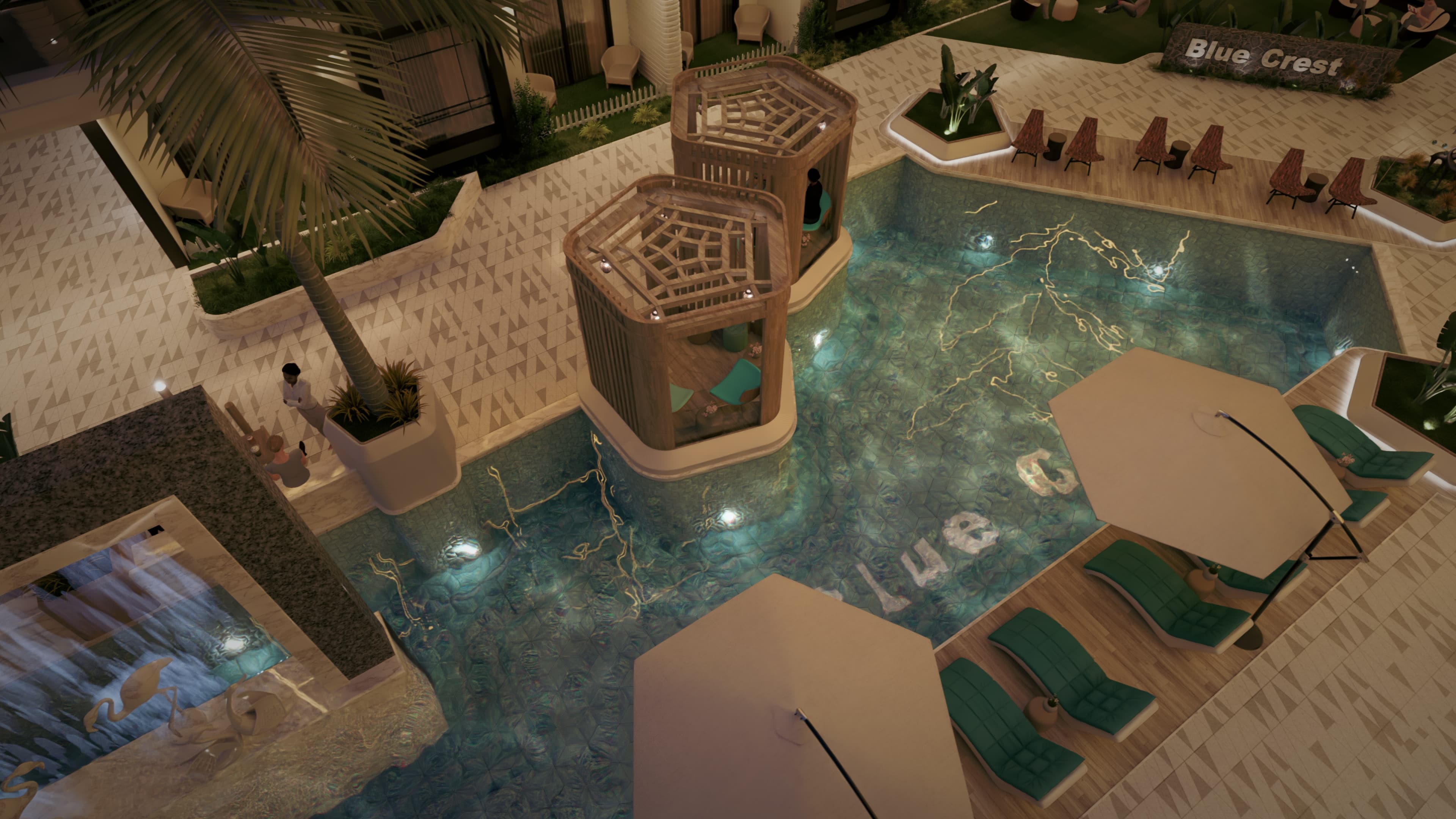
Blue Crest Amenities & Community Experience Explained
Understanding what shared facilities and community design mean for daily life at Blue Crest in El Hadaba, Hurghada.
Blue Crest is a residential development by Kayan Development located in El Hadaba, Hurghada, designed around shared amenities and community-oriented living. Compound developments like Blue Crest differentiate themselves through shared amenities and community structures. Understanding what these features actually mean for daily life — beyond marketing descriptions — helps evaluate whether the compound model suits your needs.
Why Amenities Matter in Residential Compounds Like Blue Crest
The amenity package in a compound development affects daily life in practical ways beyond the obvious. Understanding these effects helps evaluate whether specific amenities add value for your situation.
Daily convenience: On-site amenities mean residents don't need to leave the compound for certain activities. Swimming pools, fitness facilities, and social spaces provide options without travel. For some residents, this convenience is valuable; for others, external options may be preferred.
Community formation: Shared spaces create opportunities for interaction between residents. Whether this is desirable depends on individual preferences — some residents value community connections while others prefer privacy.
Property value factors: Amenities can affect both rental appeal and resale value. Well-maintained facilities may attract tenants and buyers; poorly maintained ones may have the opposite effect.
Understanding Shared Facility Models
Shared facilities in compound developments work differently than individual ownership or membership-based access. Understanding this model clarifies what residents actually receive.
Pooled resources: Amenities like swimming pools are economically viable in compounds because costs spread across all units. Individual apartments couldn't offer these facilities; the compound model makes them accessible to smaller unit owners.
Service charge structure: Access to amenities typically requires ongoing service charges covering maintenance, staffing, utilities, and eventual replacement. These charges are mandatory for compound residents, regardless of individual usage levels.
Shared responsibility: Residents collectively depend on management quality for amenity maintenance. Individual residents cannot typically improve shared facilities independently — they rely on compound management to maintain standards.
Community Scale and Its Implications
The size of a compound development affects community character and amenity experience. Blue Crest's scale creates specific dynamics worth understanding.
Intimacy vs. anonymity: Smaller compounds tend toward closer community bonds but may feel limiting. Larger compounds offer more anonymity but may feel less cohesive. Understanding where a development falls on this spectrum helps predict social experience.
Amenity congestion: Shared facilities serve all residents. During peak times — weekends, holidays, summer months — popular amenities may become crowded. Understanding resident count relative to facility capacity helps predict actual usability.
Financial sustainability: Service charges must cover costs across all units. Developments with too few units may struggle to maintain amenities affordably; those with many units can spread costs but may face congestion issues.
Long-Term Livability Considerations
Amenities contribute to long-term livability, but several factors affect whether initial quality sustains over time.
Maintenance standards: Facilities deteriorate without proper maintenance. The quality of ongoing care determines whether amenities remain attractive years after completion. Evaluating the developer and management company's track record helps predict future maintenance standards.
Resident community: The character of fellow residents affects compound experience significantly. Common spaces reflect community norms and behavior. This factor is difficult to predict but matters for long-term satisfaction.
Management evolution: Management quality may change over time as companies change or standards shift. Understanding governance structures — how management decisions are made and how residents can influence them — matters for long-term investment.
How to Evaluate Amenity Value
When evaluating Blue Crest or any compound development, consider these questions about amenities:
- Will you use them? Amenities only add value if you'll actually use them. A pool you never visit isn't worth paying for through service charges.
- What's the alternative cost? Compare service charges for compound amenities against external options. Sometimes external gyms, pools, or clubs offer better value.
- What's the quality level? Not all amenities are equal. A well-designed pool differs significantly from a basic one. Evaluate actual quality, not just presence.
- How's the maintenance track record? For existing developments, observe current amenity condition. For new developments, research the developer's maintenance practices at other projects.
- What do current residents say? If possible, speak with existing residents about their amenity experience. Their perspective provides practical insight beyond marketing descriptions.
See Blue Crest's Specific Amenities
For detailed information about Blue Crest's amenity offerings and community design, visit the project page.
View the Blue Crest project pageFrequently Asked Questions
What amenities does Blue Crest provide?
Blue Crest is planned as a managed residential compound with shared amenities designed to support daily living, leisure, and community interaction. The amenity concept focuses on functional, well-maintained shared spaces rather than feature overload.
Are Blue Crest amenities included in ownership?
Access to compound amenities is tied to unit ownership or rental, with ongoing service charges covering maintenance and operation costs. This model distributes costs across residents while ensuring consistent maintenance standards for shared facilities.
How is Blue Crest managed?
Blue Crest operates as a managed compound with coordinated services for security, maintenance, and common areas. Professional management ensures consistent standards for resident amenity access and compound operations.
Can non-residents use Blue Crest amenities?
Compound amenities are reserved for residents and their guests. Usage policies are set by the development management to maintain appropriate access and maintenance standards.
Summary
Amenities and community design distinguish compound developments like Blue Crest from standalone apartments. Whether these features add value depends on individual usage patterns, quality standards, and willingness to participate in shared community structures.
Evaluating amenities requires looking beyond marketing descriptions to understand practical implications: ongoing costs, maintenance standards, community dynamics, and actual usability. These factors determine whether amenities enhance or merely complicate daily life.