View Due Diligence
How to Check Whether a Hurghada Apartment's Sea View Can Be Blocked
A step-by-step method for checking the land, future phases, sightline, plans, contract wording, and evidence before paying a sea-view premium.
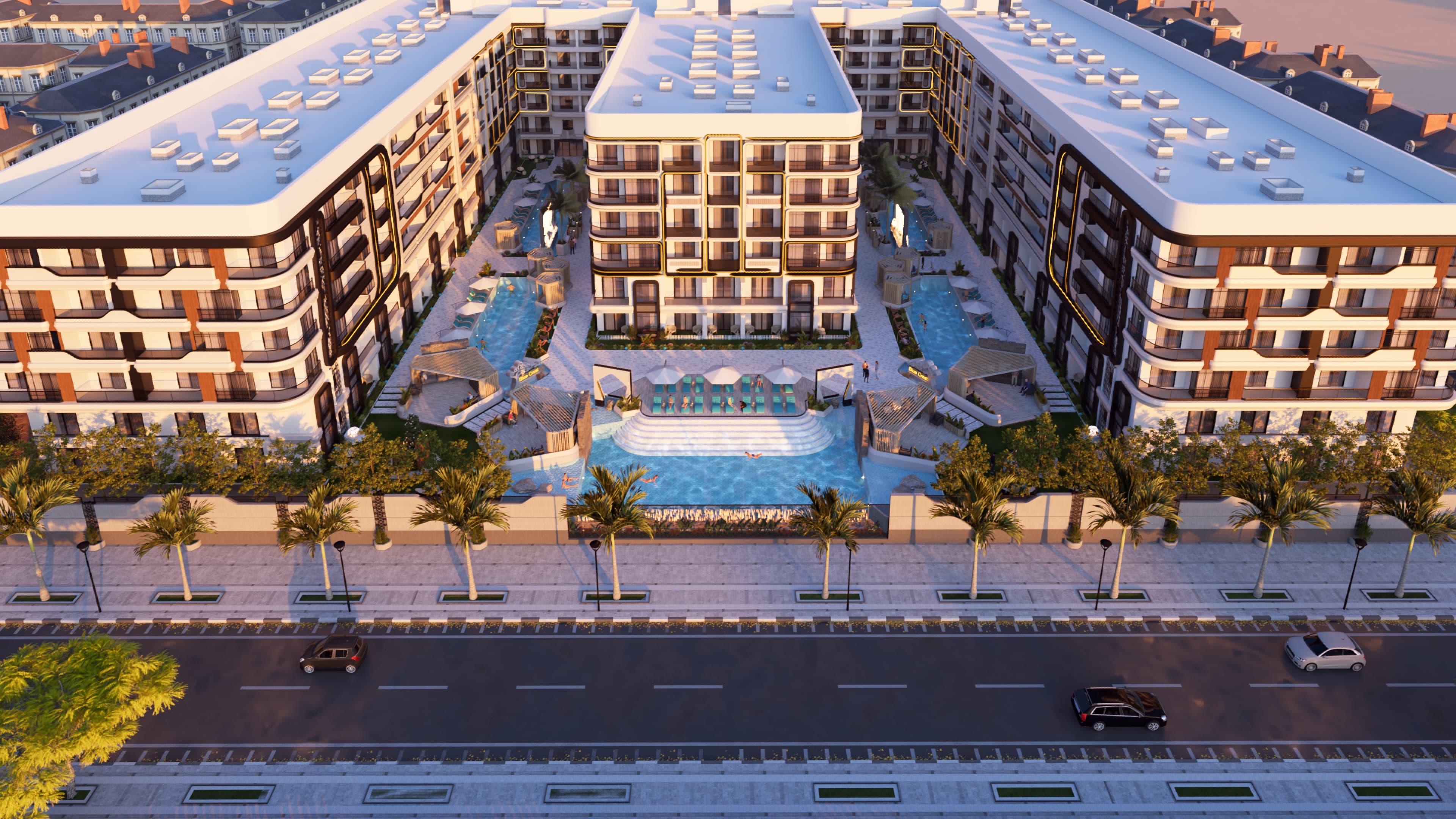
Quick answer
You cannot safely assume a sea view is permanent because the land is empty today. Identify every plot and project phase in the sightline, review available plans and approvals with independent professionals, inspect the view from the exact unit position, and make sure the contract accurately describes the apartment and any view representation you rely on. Avoid paying a protected-view premium unless the protection is documented and legally meaningful.
Key takeaways
- Empty land is not the same as protected open space.
- The exact unit sightline matters; project-level sea views do not apply to every apartment.
- Later buildings inside the same development can alter a view even when the land outside is unchanged.
- Renders can use elevated cameras, wide lenses, or future landscaping and are not proof of the final view.
- Ask a local lawyer and qualified technical professional to review the relevant documents.
- Keep dated, unit-specific evidence of the view and the documents provided before reservation.
Why an open sea view today may change later
A photograph shows current conditions, not future development rights. A vacant plot, low building, temporary road, construction yard, or undeveloped project phase may later change. The key question is not whether something stands in front today. It is what can be built, where, how high, and under which approved or proposed plan.
View obstruction can also happen inside the same development. A first sales phase may open toward the sea while a later building, clubhouse, landscape structure, roof element, or commercial component changes part of the sightline. Buyers should understand both the external neighborhood and the developer's full phase plan.
Step 1: Map the exact sightline from the apartment
- 1
Locate the exact unit
Mark building, floor, unit number, balcony and principal windows on the floor plan and site plan.
- 2
Confirm facade direction
Use the plan, a compass, and the site position. Do not rely only on the direction shown by a sales render.
- 3
Draw the view corridor
Identify the plots, roads, roofs, buildings, later phases and open spaces between the unit and the Red Sea.
- 4
Check the seated view
Parapets, balcony walls, trees, podiums and neighboring roofs can block the lower part of the outlook even on a higher floor.
- 5
Record evidence
Take dated, unzoomed photographs and video from normal eye level, and label them with the unit and position.
For an off-plan apartment, ask for a view study or model tied to the exact unit, but treat it as an illustration unless it is backed by plans and contract language. Camera height, field of view, lens choice, landscaping maturity, and omitted surroundings can make a render look more open than the real balcony will feel.
Step 2: Identify who controls the land in front
Your lawyer should identify the legal and planning context of the relevant land as far as practical for the transaction. The review may include ownership or allocation information, road and open-space status, neighboring development rights, and any available approvals. The responsible authority and documents can vary, so use local professional advice rather than a generic internet checklist alone.
| Area in the sightline | Question to ask | Why it matters |
|---|---|---|
| Inside the project | Are later buildings, roofs, facilities or landscape structures planned? | The developer's own phases may alter the view |
| Adjacent vacant plot | Who controls it and what development may be allowed? | Vacancy today does not prove permanent openness |
| Road or public space | Is the status fixed and documented? | Road widening, bridges, utilities or landscaping can affect outlook and noise |
| Existing low building | Can it be extended, replaced or redeveloped? | Current height may not be permanent |
| Beach or hotel land | Is access, use or building form controlled by another owner? | A visible waterfront does not create a private right over neighboring land |
Step 3: Review the full project plan and future phases
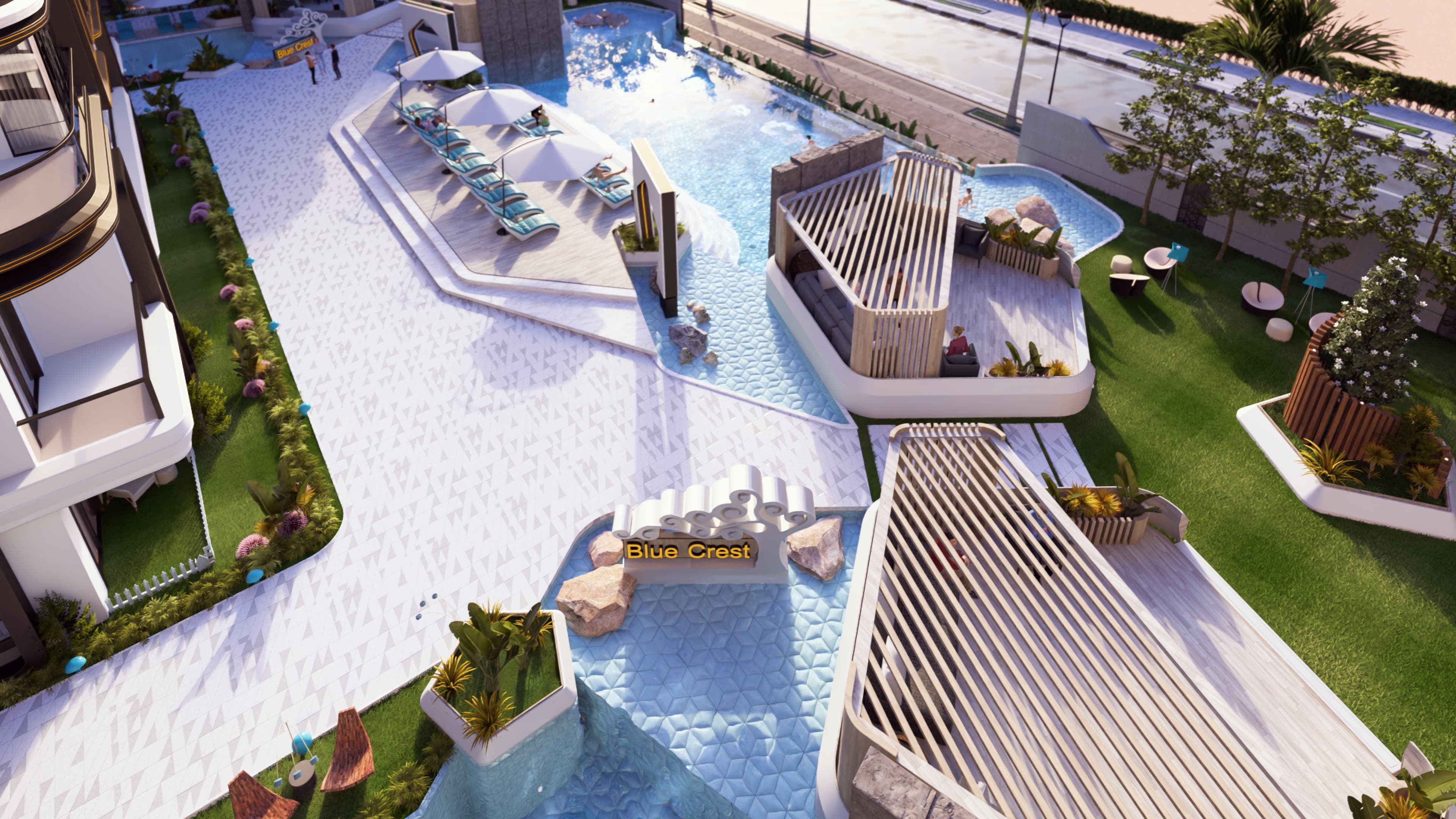
Ask for the current site or master plan showing all buildings, phases, roads, podiums, pools, landscaping, service areas, entrances, and shared facilities. Confirm whether the document is a marketing plan, a current approved plan, or another type of drawing. Your lawyer and technical adviser should explain what can be revised and what forms part of the contract.
- Check building footprints and not only attractive landscaped areas.
- Compare height and distance, not only plan position.
- Ask where rooftop equipment, tanks, screens, signs, and service structures will sit.
- Check whether trees or palms may grow into the lower sightline.
- Identify temporary open areas reserved for later construction or access.
- Confirm which phase contains the selected unit and which phases may still change.
Step 4: Make the relied-upon view evidence specific
If the view materially affects your decision or price, ask your independent lawyer how it should be recorded. A useful evidence package can include the exact unit plan, site plan, facade direction, view category, dated photographs or model images, and written statements that are consistent with the signed contract. The legal effect depends on the wording and the transaction, so avoid assuming a brochure creates a guarantee.
- Avoid vague phrases such as 'project has sea views' when buying a specific apartment.
- Check whether the contract permits changes to plans, heights, facades, facilities, or landscaping.
- Ask what remedy applies if a material unit description is wrong.
- Confirm which language version controls when documents are bilingual.
- Keep every plan and image with a date, version, and source.
Step 5: Inspect at the right height, time, and angle
For a completed or accessible unit, inspect the real apartment. For a unit under construction, ask whether a safe equivalent position can be viewed, such as the same stack on another floor, a supervised construction point, or a verified drone image at the correct coordinates and height. Never enter an active site without permission and safety controls.
Height
Use the selected floor
A view from the roof, sales office, drone, or higher building does not represent the lower apartment you may buy.
Lens
Avoid zoom and ultra-wide distortion
Use a normal field of view and keep the camera at approximate eye level to represent the everyday outlook.
Position
Check inside and seated
The living-room view and balcony-chair view may be much narrower than the standing edge view.
Time
Visit in realistic conditions
Check sun, haze, glare, traffic, activity and construction at more than one time when the decision is significant.
A simple view-risk rating before you reserve
| Risk level | Typical evidence | Buyer response |
|---|---|---|
| Lower risk | Exact unit view verified; full project context reviewed; land in front has documented open-space or controlled status | Still obtain legal review and keep unit-specific evidence |
| Medium risk | View exists but future phases or neighboring rights are not fully clear | Price the uncertainty; request more documents; avoid relying on permanence |
| High risk | View depends on vacant land, verbal assurances, generic renders or an unreviewed future phase | Do not pay a protected-view premium without stronger evidence |
| Unknown | Unit position or surrounding plan cannot be identified | Pause the reservation until the sightline can be understood |
No checklist can promise that a city will never change. The purpose is to separate a documented, understood view from a speculative one. When uncertainty remains, decide whether the apartment still works at its price if the view becomes narrower.
Questions to ask for a Blue Crest sea-view unit
- Which building, floor, and unit number is being offered?
- Is the published category sea view, pool view, or city view for this exact unit?
- What is the facade direction and balcony orientation?
- Which Blue Crest buildings or later phases sit in the sightline?
- What land outside the project is visible in front of the unit?
- Can the current site plan and unit plan be attached to the buyer file?
- Is the view visible from the main living space and while seated on the balcony?
- What contract wording applies to the unit description and plan changes?
Blue Crest's published page states that residences are available with sea, pool, or city views. Use that as a category framework, then verify the exact available apartment instead of treating a general project description as a permanent-view guarantee.
Frequently asked questions
How can I check if a Hurghada sea view will be blocked?+
Map the exact unit sightline, identify every plot and future phase in front, review available site and planning documents with independent professionals, inspect from the correct height and position, and make sure the contract accurately identifies the apartment and any view representation you rely on.
Does vacant land in front guarantee an open sea view?+
No. Vacant land only describes current conditions. It may have an owner, allocation, permitted use, or future development potential. A lawyer and qualified local professional should review the relevant land and planning context before you pay a premium for a supposedly protected view.
Can another phase of the same project block the view?+
Yes, depending on the full project design. Later buildings, roofs, landscape structures, facilities, signs, or equipment may alter the sightline. Review the complete current site or master plan and understand which elements may be revised.
Are developer renders proof of a sea view?+
No. Renders are useful illustrations but can use elevated cameras, wide fields of view, mature landscaping, omitted surroundings, or future design assumptions. Request unit-specific plans and evidence, and ask your lawyer how the relied-upon description should appear in the contract.
What if the view cannot be confirmed before construction?+
Price the uncertainty honestly. Ask for stronger plan-based evidence, compare lower-risk units, and decide whether the apartment remains acceptable if the final view is narrower. Do not pay a protected-view premium based only on verbal assurance.
Next step
Check the exact Blue Crest unit sightline
Share the unit type and floor you are considering. Ask for its position on the site plan, facade direction, view category, neighboring buildings, and future phase context.
Related buyer guides
About this guide
Written by the Kayan Development editorial team for buyers comparing homes in Hurghada. Project-specific facts are based on Kayan Development's published Blue Crest information. Legal, engineering, planning, and maintenance decisions should be confirmed with the relevant authority and an independent qualified professional.
Data reviewed: July 19, 2026. Recommended review interval: 60 days during active surrounding development.
Sources and further checks
- Kayan Development - Blue Crest project page - Published view categories, building information and project context
- U.S. Department of Energy - Building orientation - Orientation, adjacent shading and daylighting context
- General Authority for Investment and Free Zones - Official company-document context for independent buyer due diligence