Living Costs & Energy
How to Budget Electricity and Air Conditioning for a Hurghada Apartment
A clear method to estimate cooling-related electricity use, understand meters and check Egypt's published tariff before choosing a home.
Quick answer
The useful way to budget electricity in Hurghada is to estimate monthly kWh for your actual apartment and cooling habits, then apply the current tariff for the correct meter category. Ask for past meter readings if available. A hot-season bill can differ from a mild-season bill, and a building's service charge is separate from your private electricity usage. Avoid relying on one unrelated household's bill.
Key takeaways
- Find out whether your apartment has a registered residential meter, a code meter or building-managed billing.
- Keep meter readings or top-up records for several weeks, especially when air conditioning is used.
- The published EgyptERA tariff is divided into consumption levels; one simple flat rate may not describe your bill.
- Compare AC efficiency, insulation, shade and hours of use before estimating kWh.
- Ask about water and service charges separately; they are not the same line item as apartment electricity.
What an electricity bill actually measures
Electricity is commonly measured in kilowatt-hours (kWh): an appliance's electrical power multiplied by the hours it runs. A unit consuming 1 kW for one hour uses 1 kWh; this is a calculation example, not a claim about what a Hurghada household pays. Your bill may also include a customer-service charge or other items depending on meter type. Ask the supplier or building manager for the applicable category and a bill or reading example.
Egypt's Electricity Utility and Consumer Protection Regulatory Agency (EgyptERA) publishes tariffs. Its April 2026 tariff page sets out residential consumption brackets and other categories. Check for newer official announcements before you quote a live price, because the correct bill depends on actual kWh and the applicable tariff rules.
Continue reading
The official tariff is the reference—not a price copied from a travel forum.
Before estimating: identify the meter and who bills you
| Situation | What to request | Why it matters |
|---|---|---|
| Individual household meter | Account or meter reference, recent readings, tariff category | Lets you model usage from actual consumption |
| Prepaid or code meter | Top-up receipts and rules | The price category may differ from a conventional household bill |
| Building-managed supply | Written billing method and statements | Avoids confusing electricity use with community service charges |
| Rental with utilities included | Lease definition and any use cap | Prevents surprises when you run cooling extensively |
If you are comparing rental properties, ask who pays for common-area lighting, the pool and lifts; those costs may appear in building service charges rather than the apartment meter. Ownership can involve both bills. Make this distinction before comparing two properties that advertise very different 'maintenance' figures.
A simple calculation for estimating air-conditioning use
- 1
Find a realistic input
Use the appliance's rated electrical input or a measured average where available. Cooling capacity (BTU) is not the same number as electrical power in kW.
- 2
Estimate operating hours
Multiply kW by hours per day and days used per month. Inverter ACs cycle and vary consumption, so treat nameplate-based calculations as scenarios.
- 3
Add other household uses
Lighting, fridge, fans, water heating, appliances and work equipment all contribute to total monthly kWh.
- 4
Check the current bill method
Apply the appropriate published bracket structure and fees to your estimated household usage, then compare with actual meter records.
Apartment design can matter as much as the AC model
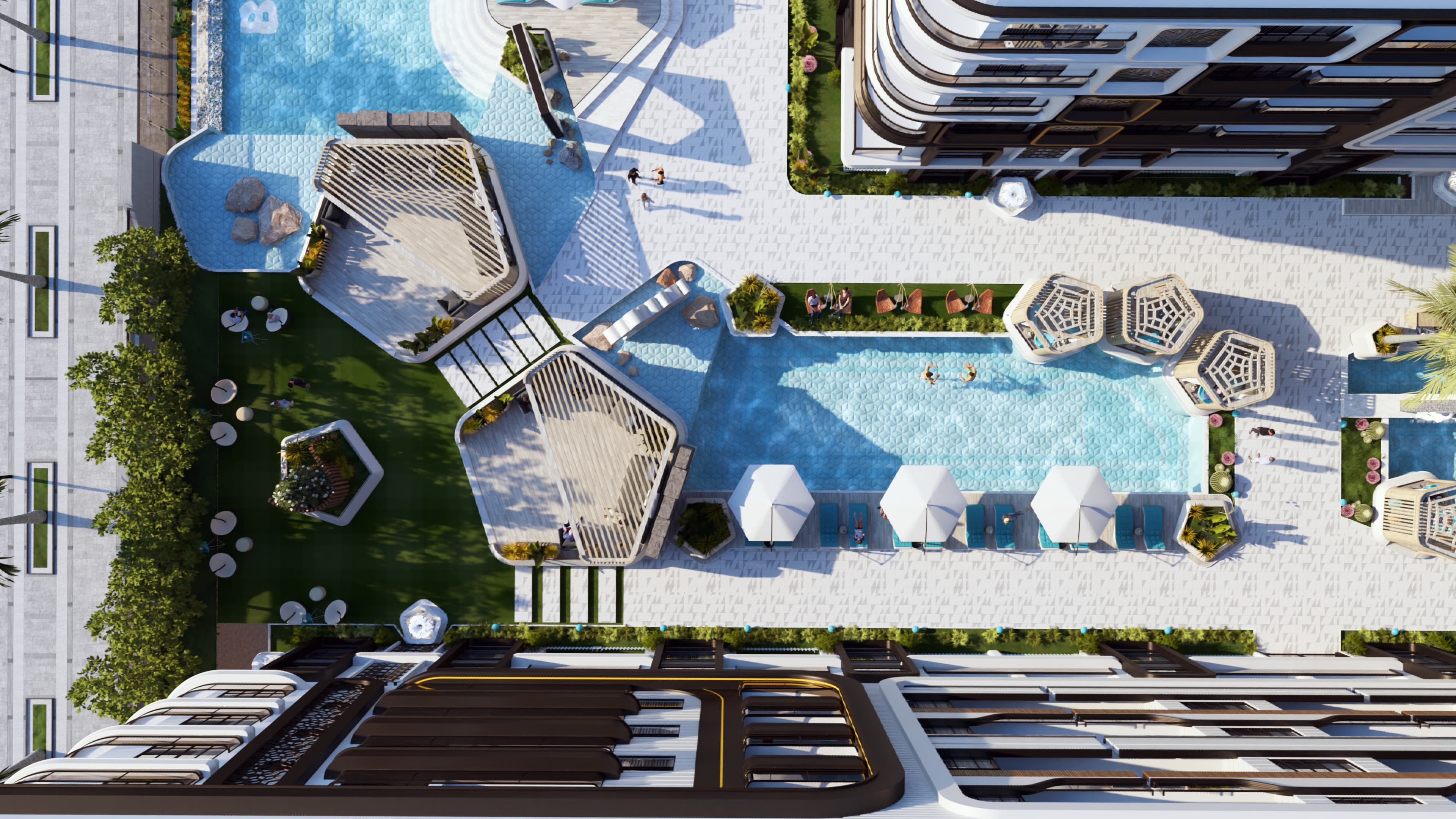
Two same-size Hurghada apartments may require different cooling because of afternoon sun, shaded windows, building orientation, ceiling exposure, glazing, ventilation, occupancy and user preferences. Confirm what is actually installed or included in a project's finishing specification. An off-plan rendering cannot tell you the future electricity bill.
- Ask which rooms receive direct afternoon sun.
- Check whether curtains, shading or external blinds can be used safely.
- Understand whether AC units are included, prepared for or purchased separately.
- Request details of window glazing and ventilation where available.
- Separate common-area fees and apartment electricity consumption.

The five questions to ask before reserving
An honest pre-purchase estimate starts with documents. Ask which meter type the completed apartment will use, whether you can get an indicative usage scenario for a comparable occupied unit, whether AC equipment is included, what the window specification is, and what additional building charges apply. For an unoccupied new project, it is reasonable for the developer to say that there is no real bill history yet.
Frequently asked questions
How much does AC cost per month in Hurghada?+
There is no universal number. A useful estimate needs your appliance's electrical consumption, hours of operation, other household usage, current tariff bracket and meter category. Use official current tariffs and actual readings where possible.
Is electricity included in a Hurghada apartment's service charge?+
Not necessarily. Individual electricity, water and internet bills can be separate from communal maintenance and amenity charges. Ask for the written billing terms and examples.
Can I use the official EgyptERA tariff for every apartment?+
First verify which meter and supply arrangement applies to that unit. EgyptERA lists residential and other tariff categories, and the current rate may change. A building manager or utility provider should confirm the specific billing approach.
Next step
Ask the right cooling questions before choosing a unit
For a specific Blue Crest apartment, request the floor plan and finishing/cooling specification, confirm whether metering is individual and ask about orientation before estimating running costs.
Related buyer guides
About this guide
Written by the Kayan Development editorial team for buyers comparing homes in Hurghada. Project-specific facts are based on Kayan Development's published Blue Crest information. Legal, engineering, planning, and maintenance decisions should be confirmed with the relevant authority and an independent qualified professional.
Data reviewed: October 17, 2026. Recommended review interval: When official rules, local charges or project details change.
Sources and further checks
- EgyptERA: electricity tariff effective April 2026 - Check the applicable meter category, charges and whether the regulator has issued a newer tariff.
- Kayan Development: Blue Crest project details - The project page is the primary source for Kayan-specific descriptions. Verify current unit availability directly.