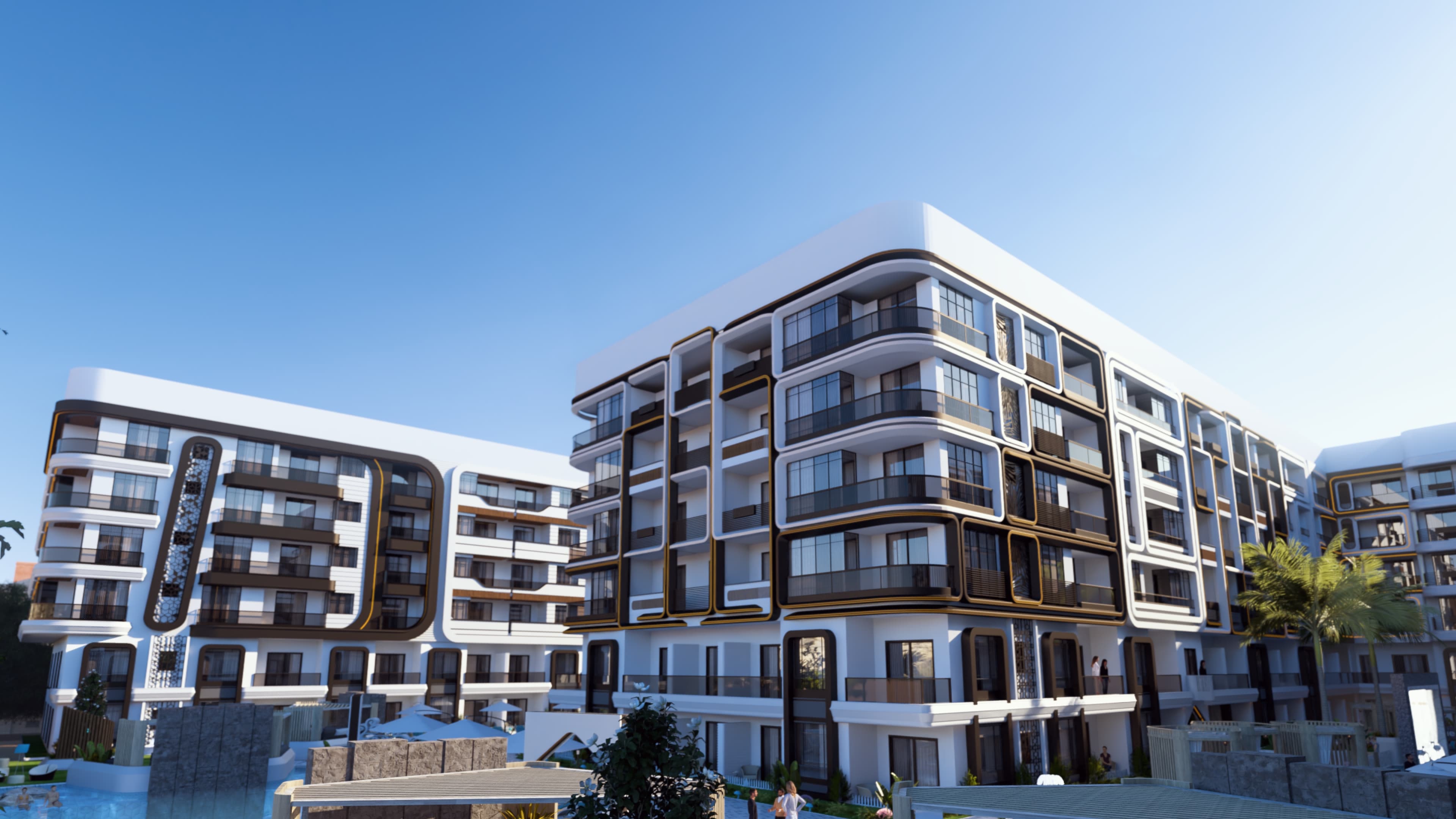
Who Buys and Rents in El Hadaba? Blue Crest Resident Profiles
Understanding resident profiles, rental demand patterns, and who Blue Crest's El Hadaba location suits — and who it may not.
This article is intended to provide general information about resident and rental profiles based on location and development type, rather than predict outcomes or promote specific investment strategies.
Blue Crest is a residential compound developed by Kayan Development in El Hadaba, Hurghada. Understanding who typically lives in a development helps evaluate whether you'll fit in and whether rental demand exists for your situation. This analysis examines likely resident profiles for Blue Crest based on its location, design, and market position.
Typical Buyer Profiles
Blue Crest's characteristics suggest certain buyer profiles may find it more suitable than others. Understanding these profiles helps evaluate your own fit.
Long-term expatriate residents: Foreign nationals living in Egypt for work, retirement, or lifestyle reasons may find El Hadaba's urban convenience and Blue Crest's community structure appealing. These buyers typically seek year-round accommodation rather than vacation property.
Egyptian second-home buyers: Egyptian families from Cairo or other cities may purchase Red Sea property for vacation use and eventual retirement. El Hadaba offers a more affordable entry point than resort areas while providing compound amenities.
Investment-focused buyers: Some buyers purchase primarily for rental income or appreciation potential. Blue Crest's compound model and El Hadaba's market position create a specific investment proposition that suits certain strategies.
Understanding Rental Demand
Rental demand in El Hadaba differs from resort areas. Understanding tenant profiles helps owners set realistic expectations and marketing strategies.
Long-term tenants: El Hadaba attracts tenants seeking extended stays — months or years rather than weeks. These include working professionals, retirees testing Hurghada living before buying, and families relocating to the area.
Winter visitors: Europeans escaping northern winters form a significant tenant pool for Red Sea properties. They typically seek monthly or seasonal rentals during winter months, creating predictable seasonal demand patterns.
Local professionals: Egyptian and international professionals working in Hurghada's tourism, diving, or service industries may rent in El Hadaba for its combination of affordability and convenience.
What's less common: Short-term vacation rentals (a few days to a couple of weeks) are less prevalent in El Hadaba than in beachfront areas. Tourists typically prefer resort locations with beach access for short stays.
These dynamics differ from resort zones and are explored further in our Blue Crest investment analysis.
Seasonal vs. Permanent Demand
Understanding seasonal patterns helps both residents and investors plan appropriately.
High season: Winter months (November through March) see peak demand from European visitors escaping cold weather. This period commands higher rental rates and better occupancy for furnished properties.
Shoulder seasons: Spring and autumn offer moderate demand with comfortable weather. Some long-term tenants prefer these periods for better availability and potentially lower rates.
Summer considerations: Hurghada summers are hot, which affects demand patterns. Some tenants avoid summer months; others (particularly those from even hotter climates) find it acceptable. Year-round properties need strategies for summer periods.
Permanent residents: A portion of any compound's population lives year-round regardless of season. These residents provide community stability and may become longer-term owners rather than seasonal visitors.
International vs. Local Residents
El Hadaba and compounds within it typically house a mix of nationalities, affecting community character.
European presence: Northern European countries — particularly Germany, the UK, Poland, and Russia — have established expatriate communities in Hurghada. These residents often seek compound living for security and community.
Egyptian residents: Unlike some resort areas dominated by foreign owners, El Hadaba includes significant Egyptian presence. This affects language dynamics, community norms, and cultural character.
Community integration: Compounds with diverse nationalities may foster international community; alternatively, national groups may cluster socially. Individual experience depends on personal openness and language abilities.
Who Blue Crest May Not Suit
Being clear about who a development doesn't suit helps prevent mismatched expectations.
Beach-focused buyers: Those who want daily beach access from their doorstep will find El Hadaba's inland location disappointing. Resort areas like Sahl Hasheesh or El Gouna better serve this preference.
Pure vacation property seekers: Buyers wanting occasional vacation use without rental income may find El Hadaba less suitable than tourist-oriented locations with more vacation rental demand.
Those seeking luxury resort experience: El Hadaba offers urban convenience, not resort luxury. Buyers expecting five-star resort standards should consider purpose-built luxury developments.
Hands-off remote investors: Any property investment requires management attention. El Hadaba's rental market dynamics and compound living create specific management needs that pure passive investors may find challenging.
Explore Blue Crest Options
For specific information about Blue Crest's available units and project details, visit the project page.
View the Blue Crest project pageFrequently Asked Questions
Who typically rents at Blue Crest?
Because Blue Crest is located in El Hadaba, rental demand is typically driven by longer-term residents rather than short-stay tourists. This includes expatriate professionals, seasonal winter visitors from colder climates, and families seeking compound living arrangements.
Is Blue Crest suitable for retirees?
Blue Crest's compound model with shared amenities and El Hadaba's urban convenience may suit retirees seeking community living with walkable services. Suitability depends on individual health needs, mobility requirements, and lifestyle preferences.
Do families live at Blue Crest?
Families may find Blue Crest suitable depending on their needs. Factors to consider include proximity to schools, availability of family-sized units, child-friendly amenities, and the character of the resident community.
Is Blue Crest appropriate for short-term vacation rentals?
El Hadaba's residential character differs from tourist zones. Short-term vacation rental demand may be lower than in resort areas. Rental strategies should account for the district's profile and typical tenant preferences.
Summary
Blue Crest's El Hadaba location attracts specific buyer and renter profiles: long-term residents valuing urban convenience, seasonal visitors seeking winter accommodation, and investors targeting the rental market these profiles create.
Understanding who does — and doesn't — suit this development helps evaluate personal fit and set realistic expectations for rental strategies. The project serves its target market well while being less suitable for those seeking pure resort experiences or beachfront living.