Living in Hurghada
Hurghada Weather by Month, Read as a Homeowner Would Read It
Which months to view an apartment, when cooling costs peak, when the sea is comfortable and when to schedule works, based on published climate averages.
Quick answer
Hurghada has a hot desert climate with mild winters and very hot summers. Published averages put daytime highs in the low 20s degrees Celsius in January and in the mid to high 30s in July and August, with the sea roughly 21-23 degrees Celsius in late winter and about 28 degrees in August. For an owner that means winter and spring suit viewing and building work, late spring to early autumn is when cooling matters, and the sea is swimmable all year for most people.
Key takeaways
- View apartments in at least two seasons if you can: a winter visit does not show how a unit feels in summer afternoons.
- Cooling is the main seasonal running cost: plan electricity for roughly late May to September.
- Sea temperature varies much less than air temperature, so comfort for swimming is a personal threshold, not a season.
- Interior works and furnishing deliveries are easier to schedule outside the hottest months.
- Averages hide hot spells and wind. Use them for planning, not for promises.
The seasons in plain terms
Climate sites that publish 30-year averages describe Hurghada as a hot desert climate. Rain is rare, winters are mild and summers are very hot. The figures below are rounded and drawn from two published compilations, so treat them as a planning guide. Actual days vary, and wind can change how warm it feels, especially on the waterfront.
| Period | Air temperature (typical daytime) | Sea | What it means for an owner |
|---|---|---|---|
| December to February | Low to mid 20s C by day, cooler at night | Roughly 21-24 C | Comfortable for viewings and works. Evenings can feel cool; some people want a heating option for a few nights. |
| March to May | Warming from the mid 20s to the 30s C | Roughly 22-26 C | Good months to view and to take handover. Cooling begins to matter from late spring. |
| June to September | Mid to high 30s C by day | Roughly 26-28 C | Cooling at its heaviest. Orientation, shade and glazing matter most now. |
| October to November | Easing back through the 30s into the 20s C | Roughly 25-27 C | Warm sea, easier days. A good time for a second viewing after a summer. |
Where the weather turns into money
Air conditioning is the cost that follows the weather. It rises through the hottest months and falls in winter, so a yearly figure divided by twelve overstates winter and understates August. Build your budget by season, and read the separate guide on meters and the regulator's tariff before you decide how much cooling you need.
Continue reading
- Ask which way the unit faces and whether the balcony shades the glazing in the afternoon.
- Ask for the glazing and insulation specification in writing.
- Ask whether cooling is individual or shared, and who pays for shared systems.
- If you will be away in summer, ask how the unit is ventilated and who checks it.
A practical calendar for an owner
- 1
Viewing
Choose a cooler month to inspect finishes and walk the neighbourhood, and plan a second look in the hot season.
- 2
Handover and snagging
Try to take handover when you can open every window, run every cooling unit and check shower pressure without rushing.
- 3
Works and deliveries
Book furniture deliveries and any contractor work outside peak heat, when crews and you can work comfortably.
- 4
Occupation
If you plan winter stays, test how the apartment feels in January evenings before you decide whether you need extra warmth.
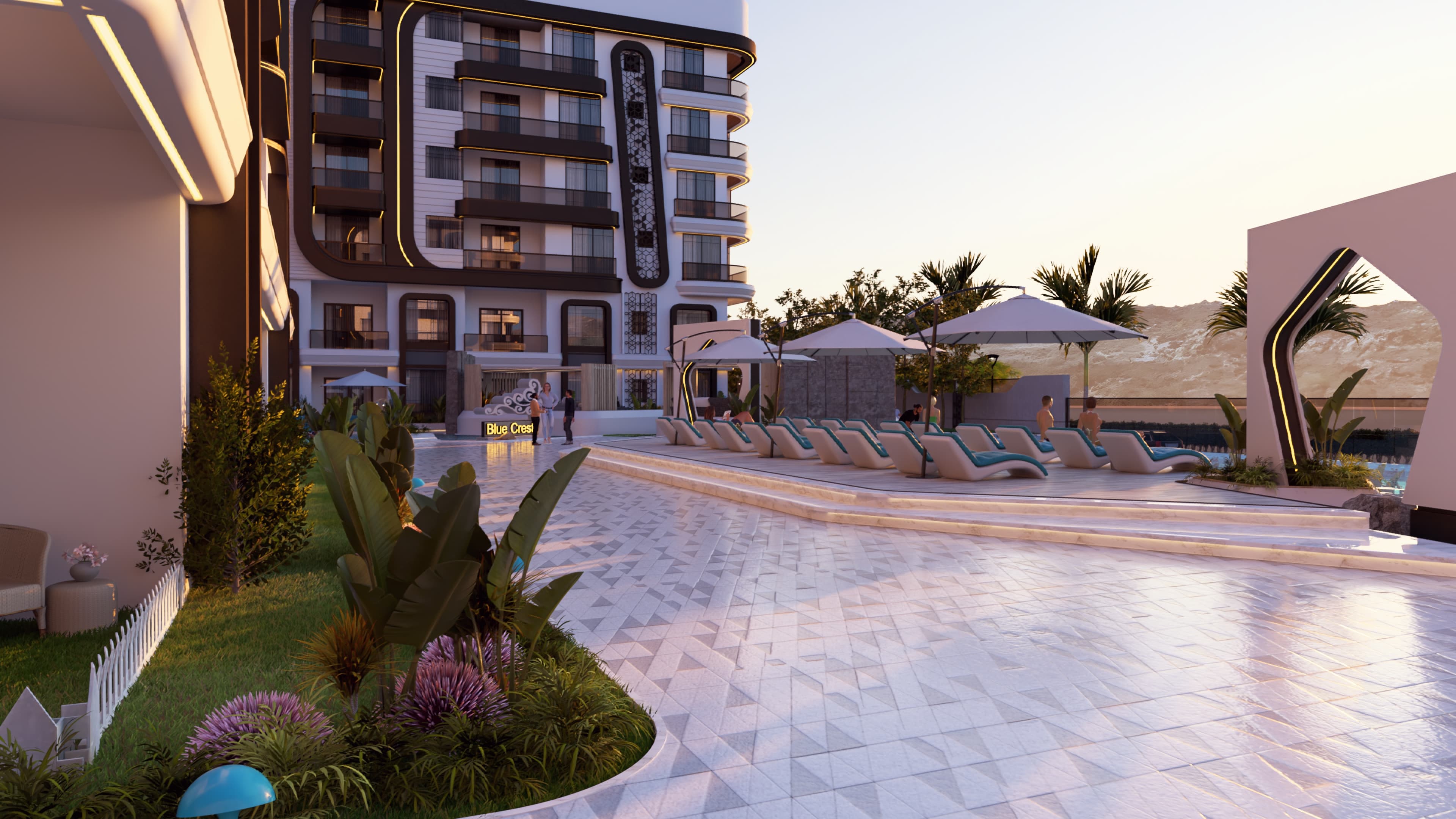
Kayan's project page places Blue Crest in the Hadaba (Sheraton) area, a short drive from Hurghada International Airport and the Mamsha promenade. Distances and times on that page are Kayan's own figures; check them on the day you visit, in the traffic you would expect.
Frequently asked questions
When is the best month to view an apartment in Hurghada?+
Winter and spring give the most comfortable viewing conditions. Because summer is when cooling and orientation matter most, a second visit in the hot season is worth planning if you are deciding between units.
Is the sea too cold for swimming in winter?+
Published averages put the sea at roughly 21-23 degrees Celsius in late winter. Whether that is comfortable is personal; many people swim all year, others prefer the warmer months.
Do these figures guarantee what next year will be like?+
No. They are long-term averages from published compilations. Individual days and years can be hotter, cooler or windier.
Next step
Ask how a specific unit handles summer sun
Orientation, balcony shade and glazing change how much cooling a unit needs. Ask Kayan which way the unit faces and what the glazing and shading specification is.
Related buyer guides
About this guide
Written by the Kayan Development editorial team for buyers comparing homes in Hurghada. Project-specific facts are based on Kayan Development's published Blue Crest information. Legal, engineering, planning, and maintenance decisions should be confirmed with the relevant authority and an independent qualified professional.
Data reviewed: November 7, 2026. Recommended review interval: When official guidance, tariffs or project details change.
Sources and further checks
- Climates to Travel: Hurghada climate - Monthly climate averages. Individual years differ from averages.
- Weather2Travel: Hurghada climate and sea temperature - Long-term averages compiled from university and national meteorological data.
- Kayan Development: Blue Crest project page - Primary source for Blue Crest descriptions. Confirm current availability and specifications directly with Kayan.